
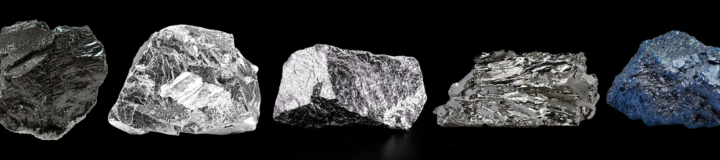
Whether you’re trimming a dog’s coat, shearing alpaca fiber, carving wood, slicing fabric, or field-dressing game, one truth crosses every discipline: a tool is only as good as its edge. Sharpness isn’t magic; it’s the outcome of metallurgy, heat treatment, edge geometry, and the way these elements work together under real-world use.
Understanding why some blades stay sharp longer, and why others dull quickly, helps you choose better tools before they ever reach the sharpener. And when you do send them in for sharpening, you’ll know exactly what kind of edge will serve your work best.
This article breaks down blade hardness, bevel angles, steel composition, and how different applications demand different edge designs.
What “Sharpness” Really Means
Sharpness is the combination of two measurable qualities:
-
Edge Apex Thinness – how narrow the edge is at the very tip.
-
Edge Stability – how well that thin edge resists deformation, rolling, or chipping.
Many people think a sharp edge is simply thin, but that’s only half the story. A razor-thin edge on soft metal will fold over quickly. A thick, durable edge on very hard steel may resist wear, but cut poorly or feel “grabby.”
The science of sharpness is about balancing thinness with durability for a specific task.
Hardness: The Backbone of Edge Retention
When sharpeners talk about “hardness,” we are usually referring to Rockwell hardness (HRC), measured on a scale that indicates how resistant a steel is to indentation. Harder steels generally hold an edge longer because they deform more slowly.
Why Hardness Matters
-
Soft steel (low HRC): Easy to sharpen, but edges roll quickly.
-
Medium hardness: Good balance for tools that see impact or lateral stress (e.g., grooming shears, utility knives).
-
High hardness (60+ HRC): Exceptional edge retention but more prone to chipping or breaking if mistreated.
How Hard Should Your Tool Be?
Different professions benefit from different hardness ranges:
-
Pocket knives / EDC blades: HRC 58–62 for wear resistance and slicing ability.
-
Grooming & beauty shears: HRC 56–62 depending on stainless alloy and style.
-
Fabric and quilting shears: 55–60 for toughness with fine edges.
-
Clipper blades: Usually 60+ HRC but paired with a coarse tooth geometry for durability.
-
Ranch and veterinary tools: 54–58 for toughness in dirty or abrasive environments.
Hardness doesn’t exist on its own; steel composition determines how hardness translates into cutting performance.
Metallurgy: Why Some Steels Stay Sharp Longer
Steel is iron with added carbon and alloying elements. These additions change everything about how the blade behaves, from its corrosion resistance to edge stability.
Key Elements That Influence Sharpness
Below are the essential metallurgical ingredients and what they do:
-
Carbon – increases hardness and wear resistance.
-
Chromium – adds corrosion resistance; high-chromium steels (stainless steels) resist rust but can form larger carbides.
-
Vanadium – forms very hard, fine carbides for superior edge retention.
-
Molybdenum – improves toughness and heat resistance.
-
Cobalt – improves hardness uniformity in high-end steels.
Carbides: The Real Heroes of Edge Retention
Carbides are microscopic, extremely hard particles that resist wear. Think of them as tiny “rocks” embedded in the metal that slow down how fast the blade dulls.
Two important carbide types:
-
Large carbides (common in some stainless steels): Excellent wear resistance but can make edges slightly toothy and prone to chipping if sharpened too thin.
-
Fine carbides (common in high-end tool steels like CPM series): Provide both strength and smooth, lasting edges.
Fine-grained steels with strong carbides keep your tools sharper longer and allow more precise sharpening without sacrificing strength. This is why premium steels, like VG-10, AUS-8, 440C for shears, and S30V, S35VN, 154CM, or D2 for pocket knives, outperform budget alloys.

Photo: Fine carbide vs. coarse carbide, image from Pär Arumskog
Heat Treatment: The Hidden Variable Most People Never See
Even the best steel fails without proper heat treatment. Heat treatment controls:
-
Hardness (how much force the edge withstands)
-
Toughness (resistance to chipping)
-
Grain size (which affects sharpening quality)
Two knives made from the same steel can behave completely differently depending on how well they were treated. This is why experienced sharpeners often have strong opinions about certain brands – not because of the steel alone, but because of how that steel was processed.
Edge Geometry: More Important Than the Steel for Many Users
Edge geometry refers to the shape of the cutting edge, including:
-
Bevel angle
-
Edge thickness behind the bevel
-
Type of grind (flat, hollow, convex, compound)
Bevel Angle and Its Real-World Effects
The bevel angle determines how sharp the edge feels and how strong it is.
-
Low angle (10°–20° per side): Razor sharp, effortless slicing, but less durable.
Common for: -
Grooming and beauty shears
-
Fine fabric shears
-
Chef knives
-
Mid-angle (20°–25° per side): Balanced for general cutting.
Common for: -
Pocket knives
-
Utility and workshop blades
-
High angle (25°–35° per side): Durable, great for dirty tasks.
Common for: -
Ranch knives
-
Vet and livestock tools
-
Clippers (tooth design plays a bigger role here)
A sharper angle isn’t always better—matching the angle to your work ensures longer edge life and safer cutting.
Micro-Geometry: The “Tooth” of the Edge
Even a polished edge has micro-serrations. Coarse sharpening leaves larger “teeth,” while fine polishing leaves extremely small ones.
-
Fine, polished edges excel at push-cutting (slicing fabric, trimming fur, shaving).
-
Toothier edges excel at slicing through tougher materials like rope, hide, or zip ties.
This is why groomers love high-polish convex edges, but ranch owners may prefer a slightly toothy edge on their pocket knives.
Choosing Tools Engineered for Durability
You don’t need to be a metallurgist to pick tools that will outlast cheaper alternatives. Look for these signs of durability:
1. Steel Type Matters—More Than Brand Name
For your specific fields:
-
Groomers & beauticians: Look for Japanese stainless alloys (VG-10, Hitachi ATS-314) or high-quality 440C.
-
Tailors & quilters: Chrome-moly steels or high-carbon stainless with tight grain.
-
Pocket knife collectors: Seek out steels like S30V, S35VN, 154CM, MagnaCut, or D2.
-
Ranch & vet professionals: Tough steels such as 14C28N, AUS-8, or 420HC with excellent heat treatment.
-
Clipper blades: High-carbon tool steel with precision machining such as Bucceli or Geib Buttercut.
2. Hardness Ratings Should Match the Job
Harder isn’t always better. High HRC values are great for clean environments but risky for blades used around dirt, bone, or impact.
3. Check for Quality Heat Treatment
This is difficult to verify without experience, but reputable brands publish their heat-treat specifications or maintain consistency across production runs.
4. Look for Good Design Over Flashy Marketing
A well-designed blade will have:
-
Even grind lines
-
Symmetrical bevels
-
A consistent apex
-
Correct edge geometry for its purpose
These details matter far more than coatings, colors, or packaging.
How Sharpening Interacts With Steel Type
Different steels respond differently to sharpening:
-
High-vanadium steels (e.g., S30V) benefit from diamond abrasives because their carbides are extremely hard.
-
Simple carbon steels sharpen easily on standard stones but rust faster.
-
Stainless grooming shears require precise angles and finesse to maintain the factory edge.
-
Clipper blades depend on perfectly flat lapping for smooth performance.
A skilled sharpener adjusts technique, abrasives, and geometry based on the tool’s metallurgical makeup.
This is where professional sharpening makes a huge difference: a properly sharpened high-quality tool outperforms a poorly sharpened premium blade every time.
Why Your Tools Dull (Even When the Steel Is Good)
Sharpness loss typically comes from:
-
Edge rolling – Soft steels or low angles cause the edge to bend.
-
Abrasive wear – Dirt, sand, or fabric micro-fibers grind away the edge.
-
Micro-chipping – Hard steels chip when used on hard surfaces or at incorrect angles.
-
Heat & corrosion – Improper cleaning dulls edges over time.
-
Misalignment – Shears and clipper blades lose efficiency if tension or tracking is off.
Understanding these mechanisms helps you choose the right tools and the right maintenance routine.
Matching the Tool to the Task: Quick Guide for Each Profession
Pocket Knife Lovers
-
Look for steels with strong carbide structures (S35VN, MagnaCut).
-
A 20° edge is a great all-around choice.
Dog Groomers
-
Prioritize polished convex edges with high-quality stainless alloys.
-
Keep shears aligned and tensioned to reduce premature dulling.
Beauticians
-
Japanese convex shears with extremely fine edges make a big difference.
-
Hardness and smoothness matter more than “brand glitz.”
Ranch Owners / Vet Clinics
-
Choose tough steels that resist corrosion and chipping.
-
Skip ultrahard steels; aim for durability over bragging rights.
Tailors & Quilters
-
Look for precision-ground edges with fine carbides for clean slicing.
-
Ensure the sharpener maintains factory geometry—this is critical.
Crafters
-
Balance cost and durability.
-
Choose steels that sharpen easily and hold an edge reasonably well.
Conclusion: Sharpness Is Engineering, Not Luck
A truly sharp, long-lasting edge is no accident. It’s the product of:
-
The right steel
-
The right hardness
-
The right heat treatment
-
The right edge geometry
-
The right sharpening method
When you choose tools with good metallurgy and thoughtful design, professional sharpening elevates them even further. And when all these elements align, your tools don’t just cut—they glide, slice, shape, sculpt, and perform with reliability that builds confidence in every job.